Dinner with Professor Sitan Chen

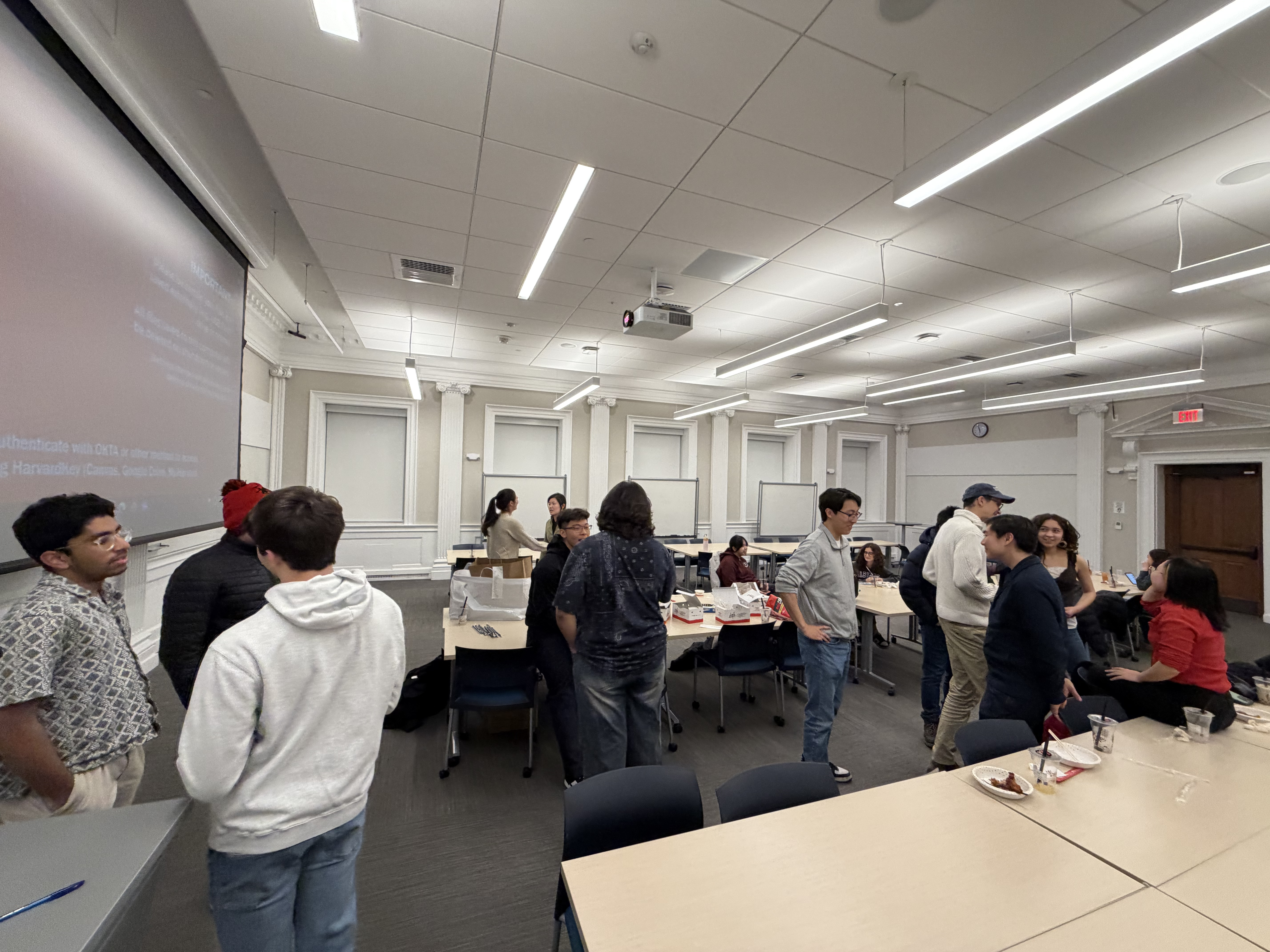
The Harvard AI Group sat down for dinner with Professor Sitan Chen, an Assistant Professor of Computer Science at Harvard SEAS. The evening turned into a wide-ranging conversation about everything from his research to current trends in the workforce.
Professor Chen teaches computer science at Harvard and focuses on algorithms and learning from data. His recent work looks into how generative AI models, like diffusion models and masked language models, actually work under the hood. He's also researching quantum computing applications for understanding the physical world. Before joining Harvard, he was a postdoc at UC Berkeley and earned his PhD from MIT. His research has earned him multiple NSF grants and other competitive funding.
Early in the dinner, the conversation turned to something many students have noticed: some teaching fellows have started using AI to help provide feedback on assignments. Professor Chen shared his thoughts on this trend, and we discussed both the potential benefits, like faster, more consistent feedback, and the concerns about whether AI can truly understand nuanced student work. It's one of those topics where there's no clear answer yet, but it's definitely something instructors are thinking about as these tools become more common.
From there, we naturally drifted into talking about mandatory attendance policies. With more courses offering recorded lectures and online materials, the question of whether showing up to class is still necessary came up. The discussion looked into the value of in-person interaction and spontaneous questions versus flexibility for students with different learning styles and schedules. It's a debate that's become more relevant since the pandemic changed how we think about physical presence in education.
Someone brought up the noticeable rise of concurrent masters students, particularly in computer science. More undergrads are taking additional graduate courses to complete both a bachelor's and master's degree. This led to questions about whether it's worth it, how it affects the job market, and whether students are doing it because they genuinely want more education or because they feel they need extra credentials to compete in today's landscape.
That naturally led us into discussing the current state of tech hiring and software engineering jobs. The market has been turbulent lately, with layoffs at major companies and a more competitive environment for new grads. Professor Chen offered perspective on what he's seeing, what skills employers actually value, and how students might want to think about preparing for careers in an uncertain field. It was one of those conversations you don't always get in a formal classroom setting.
When we asked about his research, Professor Chen explained his work on generative model. the technology behind tools like image generators and large language models. He's particularly interested in understanding why these models work so well and how to make them more efficient and reliable. His quantum computing research explores using quantum systems to learn about physical phenomena in new ways that classical computers can't match. He was great for explaining complex ideas in ways that make sense even if you're not deep in the theory.
The conversation covered plenty of other ground too, bouncing between topics in the way dinner conversations do. What stuck with everyone was how Professor Chen thinks deeply about both the theoretical foundations of AI and its practical implications for education, careers, and society. It's rare to get that kind of access to faculty perspectives outside the usual office hours setting.
Want to learn more about Professor Chen's work? Visit his website at sitanchen.com or check out his courses on quantum learning theory and algorithms for data science.
We chose students based on applications, and if you would like to be a part of these, join our newsletter for future opportunities and check your email.